There’s nothing quite like spotting Alaska’s wildlife in person. Seeing a moose stroll across the trail or catching the flick of a whale’s tail just offshore is enough to stop you in your tracks. And in Anchorage, you don’t need to venture far to savor these incredible moments. Our city sits at the meeting point of mountain, forest, and sea, so wild encounters are never far away!
Whether you’re a first-time visitor to Anchorage or a lifelong Alaskan, wildlife watching is one of the best ways to connect with the place we call home. And if you know where to look, you can spot everything from bald eagles and Dall sheep to salmon and even the occasional black bear.
At Alaskan Sights & Bites, our range of guided Anchorage tours includes the highly popular Half-Day Anchorage Wildlife Tour, so we’re perfectly placed to share our favorite places to see wildlife around our city. Scroll down to get started!
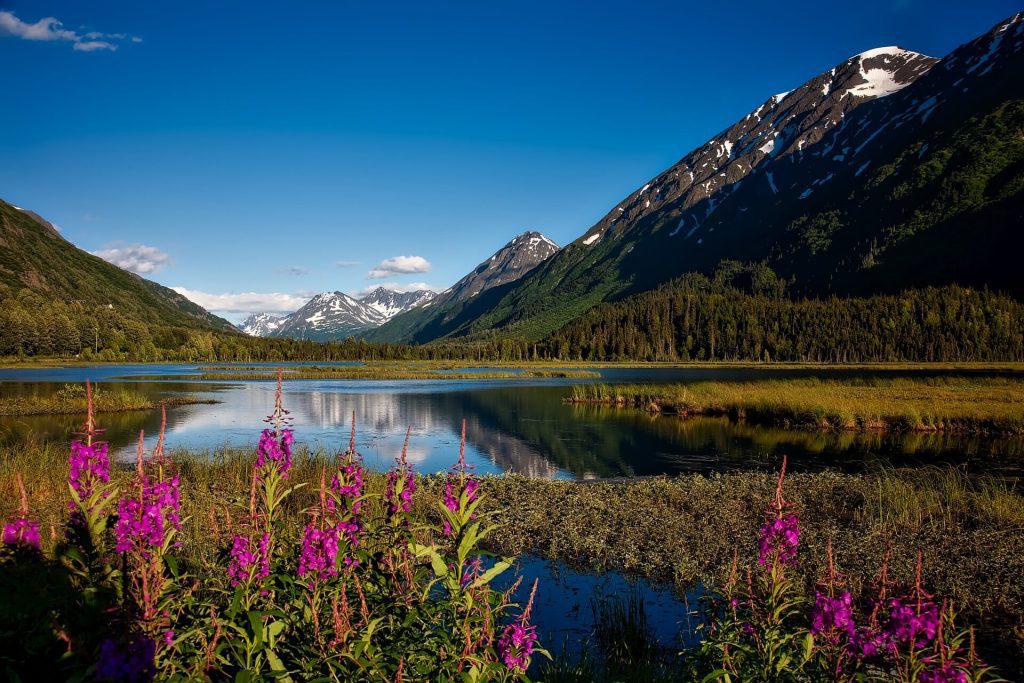
Chugach State Park Near Anchorage is a Wildlife Haven!
A 20-minute drive out of downtown Anchorage, Chugach State Park offers over 495,000 acres of rugged wilderness, making it one of the largest state parks in the country and the third-largest in Alaska. And with a breathtaking array of wildlife roaming free in its natural habitat, this special place is a magnet for hikers, photographers, and wildlife watchers alike.
Look up on the steep mountainsides and you might spot Dall sheep grazing on rocky outcrops. Head to the Glen Alps viewing platform to look out for the one-thousand-plus moose that call Chugach State Park home. Black bears make occasional appearances in late summer and early fall — check muddy spots along creeks for their tracks. Tread quietly and you may catch a glimpse of small mammals like the arctic ground squirrel, the adorable round-eared pika, or the odd hoary marmot.
And with around 470 recorded bird species, Church State Park is a must-visit for birders. Keep your eyes peeled for Alaska’s state bird, the willow ptarmigan!
Is hiking through beautiful landscapes a priority during your trip to Anchorage? Don’t miss our blog What are Some of the Best Places to Hike in Alaska? It’s filled with local recommendations to help you make the most of your time here!
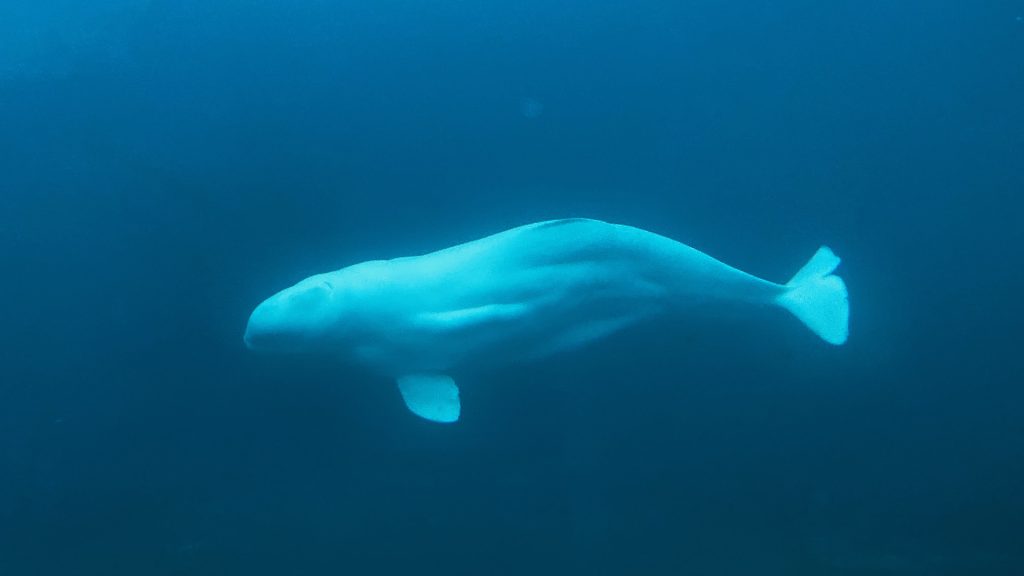
Spot Whales at Beluga Point in Anchorage!
Just south of town on the stunning Seward Highway, a rocky lookout aptly named Beluga Point is one of the most scenic spots along Turnagain Arm. It’s at mile 110 and a great place to watch for marine life. Driving from Anchorage, you’ll have the picturesque Chugach Mountains on your left and the rugged coastline on your right.
From late July through August, beluga whales follow the incoming tide in search of salmon. These white whales can sometimes be seen from shore, their rounded backs breaking the surface. The key is timing your visit with the tide. Even if the whales don’t show, the views of the Chugach Mountains and the dramatic tidal flats are reason enough to stop.
Young belugas will appear blue-gray in color as they don’t get their distinct white hue until they are around five or six years old. If you’re lucky enough to spot some of these whales, you may also find out why they’re known as “sea canaries”. The nickname came about because of their frequent vocalizations, which can sound like whistles, chirps, or clicks.
The Turnagain Arm and Seward Highway also feature in our picks for the best Anchorage scenic day drives. Be sure to check them out when you have finished here!
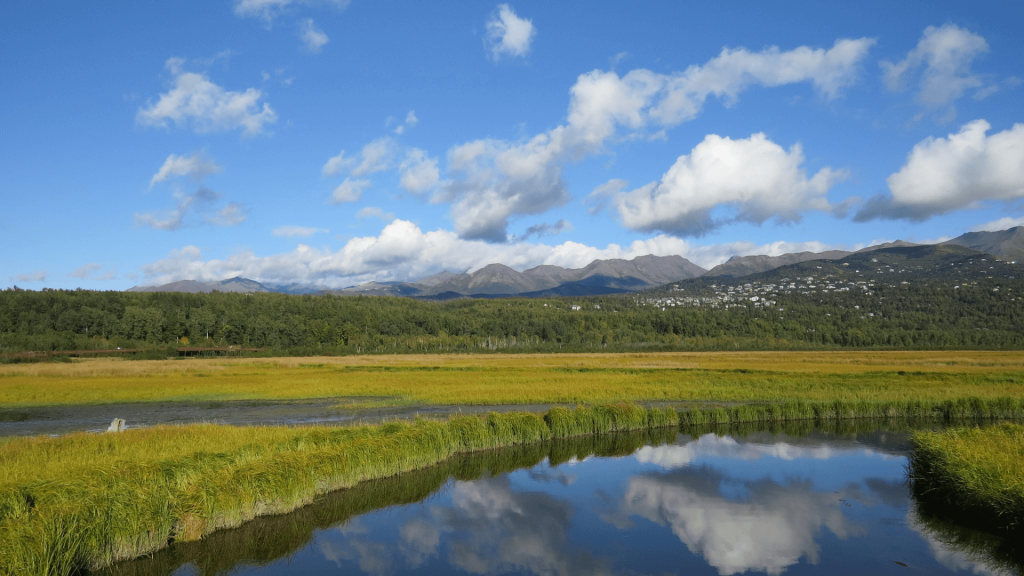
Anchorage’s Potter Marsh Has Outstanding Birdwatching
For bird lovers, Potter Marsh is a dream. This protected wetland at the southern edge of Anchorage is part of the Anchorage Coastal Wildlife Refuge and offers a scenic, half-mile-long boardwalk that winds over ponds and marshy channels.
Between late April and September, the area comes alive with nesting ducks, Arctic terns, and red-necked phalaropes, to name only a few. You’ll also spot waterfowl such as Canada geese, northern pintails, canvasback ducks, and grebes. Every now and again, during spring and fall migration, we get a visit from the largest waterfowl in North America — the regal trumpeter swan.
Look out for birds of prey like eagles and northern harriers soaring above, searching for their next meal. You’ll definitely want to bring your binoculars along on this trip! They are a great help when scoping the trees in search of eagles’ nests.
Colorful salmon spawn in the creek located halfway down the boardwalk between May and August, when gulls, Arctic terns, yellowlegs, and other shorebirds are present. Take a gander at the marsh waters as you stroll and you may catch a muskrat swimming through. If you’re visiting in May or June, keep an eye out for moose in the area, munching on the tasty new plant growth.
Anchorage’s unique combination of city life and Alaskan nature is something we look at in our blog Is Anchorage Worth Visiting? If you’re already captivated by the sound of our city and its wild surroundings, we think you’ll love reading it.
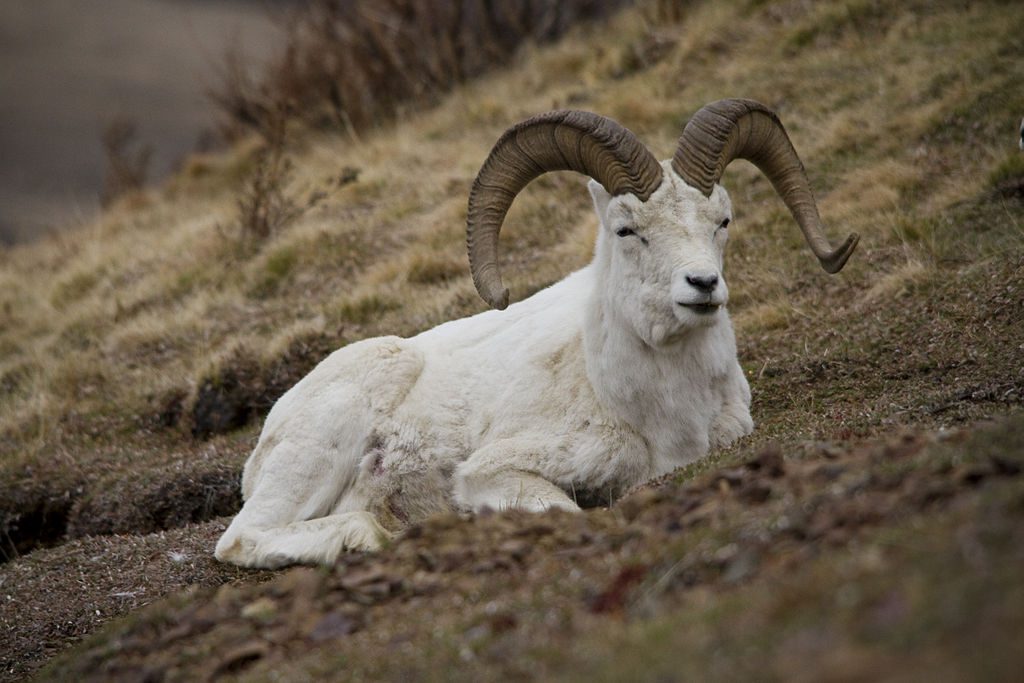
Encounter Dall Sheep at Anchorage’s Windy Corner
Drive just a few short minutes south from Potter Marsh and you’ll find yourself at a spot called Windy Corner. Another Turnagain Arm favorite, Windy Corner is known for its steep cliffs and the white dots that move along them. These are Dall sheep, one of Alaska’s most iconic alpine animals.
These distinct and eye-catching animals frequent this spot to take advantage of the mineral lick present. This all-white wild sheep species is unique to the mountain ranges of Alaska and western Canada, and Windy Corner is one of the world’s most accessible locations for viewing them.
Look towards the cliffs above the road, where they are often spotted, for a glimpse. Male Dall sheep (rams) are noted for their large curled horns as well as for their propensity for butting heads to establish dominance. So, as with all Alaskan wildlife, keep your distance!
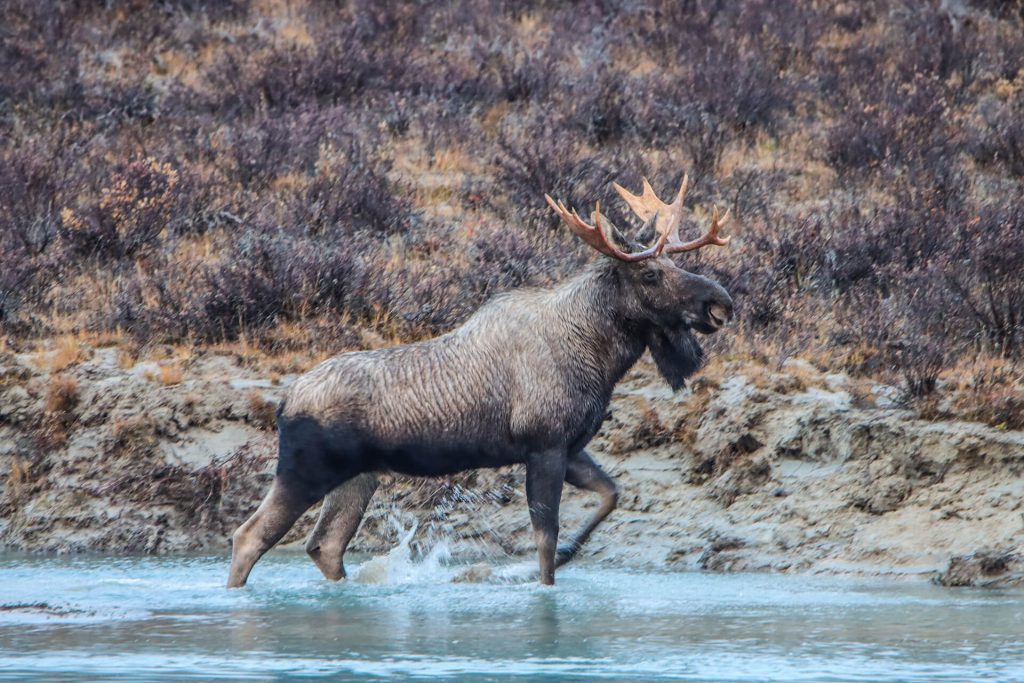
Marvel at Moose in Kincaid Park, Anchorage
Home to two-thirds of the US moose population (that’s 200,000 moose!), travelers come to Alaska with their hopes set high for spotting one of these giant creatures in the wild. If you come to Anchorage on your trip, don’t worry, you won’t have to go far to see one! Head to the western tip of Anchorage to arrive at Kincaid Park — 1,400 acres filled with wooded areas, coastline, mountain views, and family-friendly walking and biking trails throughout.
If the scenery isn’t enough to convince you, Kincaid Park is also one of the best places in Anchorage to spot moose! Moose are commonly seen in Kincaid Park throughout the year. In spring, you may have a chance to see a mama (cow moose) with their calves. As always, never get close and be alert to the moose’s behavior. These 6-feet-tall, 1,000+ pound creatures can be aggressive, especially if they feel threatened or protective of their calves. Moose injure more people in Alaska than bears, so if you encounter one or more, give them a very wide berth!
Keep your eye out for black bears, eagle nests, and a range of woodland birds that can be found in the park, as well as thousands of migrating birds that pass through in the spring. You can also see snowshoe hares bounding through. These furry critters are named for their large hind feet, which allow them to hop on the snow without sinking.
Fun fact: When the snow melts in the spring, snowshoe hares’ all-white coats turn brown!

Look Out for Bears and Beavers at Eagle River Nature Center
Head northeast from Anchorage and you’ll reach Eagle River Nature Center, a gateway to Chugach State Park that offers interpretive trails, nature programs, and excellent wildlife viewing. The ERNC is the access point for four different trails, making it a great starting place for hikes and wildlife watching.
Try the Albert Loop Trail, a 3-mile trek that takes you by ponds where it’s common to find beavers working away on their dams. Take the Rodak Trail in August to witness salmon spawning from the nearby viewing platform. Of course, where you find salmon, there’s also a good chance to catch brown and black bears feeding! In fact, bears are so common in this area that they close the Albert Loop Trail in the late summer to avoid any close encounters with visitors.
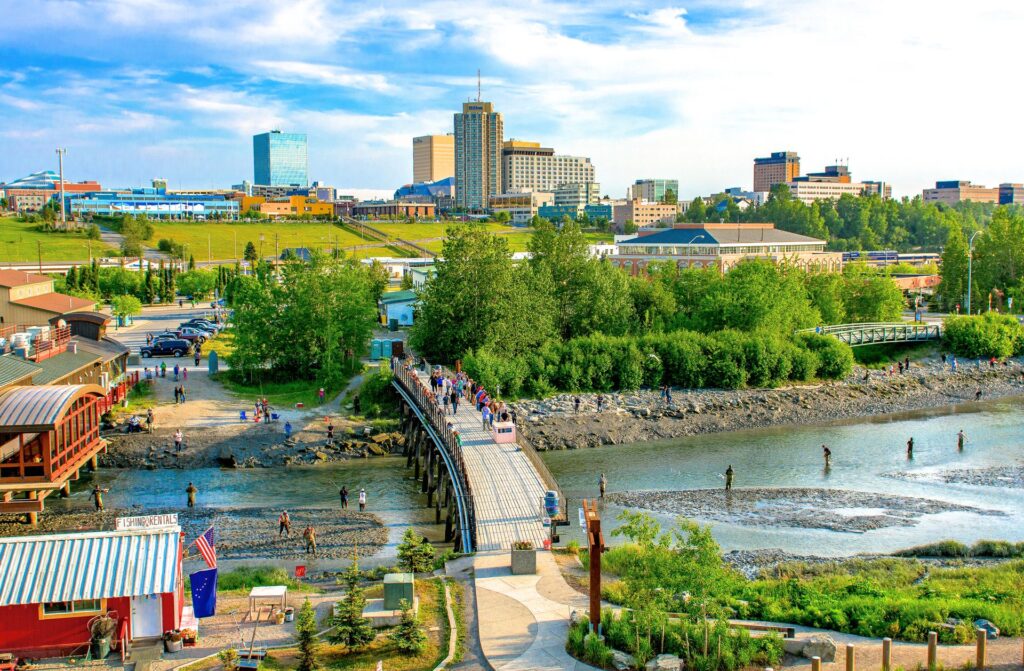
Ship Creek is Home to Salmon and Shorebirds
Ship Creek, a river that runs from the Chugach Mountains to Cook Inlet, is a popular spot for fishing and the perfect place to pull out the old field glasses and observe the array of shorebirds that populate this waterway. Surfbirds, Hudsonian godwit, turnstones, and a variety of sandpipers are common sights on the river’s shore in the spring and fall.
Multiple salmon species make their annual migration from the ocean to freshwater to spawn in Ship Creek. Different species migrate at different times of year, so you’ll see chinook (king) salmon present from the end of May through July, and coho (silver) salmon in August and September.
After taking in this Alaskan ecosystem, learn about hatchery fish production with a visit to the William Jack Hernandez Sport Fish Hatchery, which is open to visitors and responsible for the production of millions of fish annually.
Stay Safe When Wildlife Watching in Anchorage
Wildlife watching is one of the joys of visiting Alaska, but it comes with responsibilities. Here are a few safety tips to keep in mind:
- Give animals space. Use binoculars or a zoom lens for a closer look.
- Stay alert. Especially in wooded areas or near salmon streams.
- Don’t feed wildlife. It’s dangerous for both you and the animals.
- Carry bear spray when hiking, and know how to use it.
- Check trail reports at places like Eagle River Nature Center or Kincaid before setting out.
Respecting wildlife helps keep both animals and people safe, and ensures these encounters stay wild.

Book Your Guided Anchorage Tours with Us!
After taking in the beauty of Alaska with a visit to one of our favorite spots suggested above, you can refuel and get to know the culture, cuisine, and city life of Anchorage with one of our guided Anchorage tours!
Are you looking for a guided wildlife experience during your stay? Check out our Half-Day Anchorage Wildlife Tour, which includes a hearty lunch and an insider’s perspective on what makes this great state so special.
Do you have any questions for us? Please just get in touch for the answers you need.