Ask any Alaskan what makes our state special, and you’ll probably get a smile before you get an answer. How do you sum up a land that is by far the largest state in the US, where the northern lights dance across winter skies, where mountain ranges and forests create awe-inspiring scenery, and the wildlife living here is truly iconic? Anchorage is at the heart of it all, a city framed by mountains and ocean, where wild and urban life overlap in a way that captivates most visitors.
While Alaska may be large in size, our population is among the smallest of all US states. And yet, we welcome millions of visitors each year! If you’re planning a trip of your own soon, you’ll quickly understand why.
Read on to find out what makes Anchorage and Alaska special. And if you have any questions about our guided Anchorage tours in the meantime, please don’t hesitate to contact us.

Anchorage’s Annual Events and Festivals
Anchorage doesn’t just sit in the middle of stunning landscapes — we also know how to throw a celebration! Two of the biggest events in our cultural calendar mark the rhythm of our year.
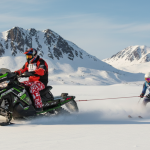
In March, the iconic Iditarod Sled Dog Race begins downtown, with mushers and teams of eager dogs charging off the start line as crowds cheer. Ahead of them lies a trail that is a reconstruction of the famous route to Nome that delivered diphtheria antitoxin to a village of dying children via a sled dog relay. The 1925 serum run to Nome, led by legendary Alaskan Leonhard Seppala, is also known as the Great Race of Mercy and the Serum Run.
Many people are familiar with this heroic venture through the 1995 animated picture, Balto, and the 2019 Disney picture, Togo. Dog sled culture and Alaskan huskies are crucial to Alaska’s foundation and its proud history. This iconic sporting event, held on the first Saturday of March, is a chance to experience it front and center.
Just before the Iditarod, however, the city comes alive with the Fur Rondy, or the Fur Rendezvous Festival. What began as a trading event for returning trappers has grown into a winter carnival that lasts more than a week. Think snow sculptures, blanket tosses, outhouse races, and a blanket of excitement across town. These events bring people together in a way that reflects Alaskan resilience and joy in the coldest months of the year.
Do you want to experience either or both of these famous Alaskan events? Be sure to read our Guide to Fur Rondy and the Iditarod in Anchorage when you have finished here.

Alaska’s National Parks and Protected Lands
Alaska is defined by its sheer scale, and nowhere is that clearer than in its national parks. Our state is home to eight national parks, each offering its own slice of wilderness. Wrangell-St. Elias, the largest national park in the United States, covers more land than Switzerland. Denali National Park is home to North America’s tallest peak. Katmai holds the famous brown bear viewing platforms at Brooks Falls, while Kenai Fjords blends glaciers with abundant marine life. Fun fact: more than half of Kenai Fjords National Park is covered in ice!
Even if you don’t have time to venture far, Anchorage puts wilderness within easy reach. Chugach State Park lies just beyond the city, with trails and wildlife sightings only minutes from downtown.
Wildlife Encounters Across Alaska
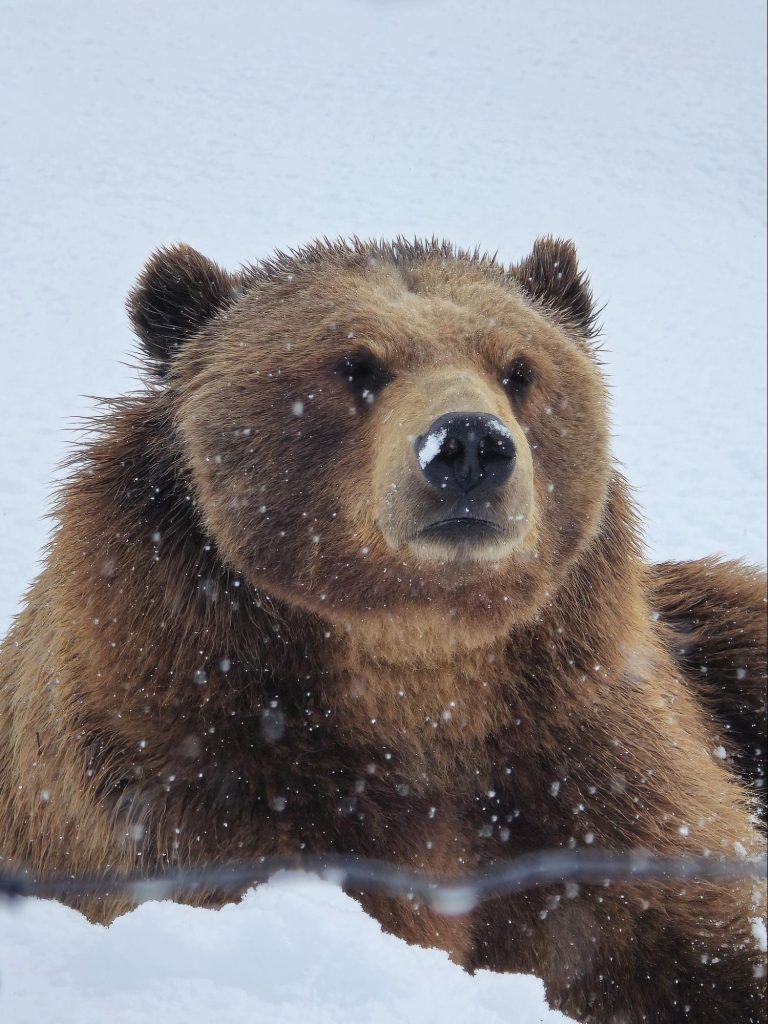
For many, Alaska means wildlife. Here you can spot the so-called Big Five of Alaska’s land mammals: moose, bears, caribou, wolves, and Dall sheep. Anchorage locals are used to seeing moose wandering through backyards or crossing the trails at Kincaid Park, but these sightings never fail to make visitors’ jaws drop. If you’re eager to see bears in Alaska, plan your trip around the summer months, as they hibernate during the winter. The undomesticated canine, AKA wolves, can be seen throughout Alaska but mainly reside in non-urbanized areas.
Denali National Park, just a four-hour drive from Anchorage, is home to thousands of caribou, so it’s a great place to spot some reindeer! Dall sheep are notoriously more difficult to find as they live in the most rugged areas of Alaska and can spot humans from an incredible distance, making it hard to see them in the flesh. However, one place where your luck might be in is at Windy Corner (milepost 106) on the Seward Highway along Turnagain Arm. Count yourself lucky if you see them, as they are only found in Alaska and Canada!
Eagles soar overhead in both city and wilderness, and shorebirds stop by in huge numbers on their long migrations. Marine life in Alaska is just as impressive, too! Beluga whales can sometimes be spotted along the Seward Highway, at Beluga Point, near milepost 110, while humpback and orca sightings are highlights of summer boat tours. Taking a drive down Seward Highway is also one of our picks for experiences unique to Anchorage, Alaska!
What makes wildlife encounters in Anchorage so special is their accessibility. You don’t have to drive hours into the backcountry; a short walk or drive often brings you face to face with Alaska’s most iconic animals.

The History and Culture of Alaska
Alaska’s story stretches back thousands of years, shaped by the Alaska Native peoples whose traditions continue to thrive today. The Dena’ina, the Indigenous people of the Anchorage area, lived and traveled these lands long before the city of Anchorage existed. Their presence is felt in place names, cultural sites, and community events that continue today. Visitors can learn more at places like the Alaska Native Heritage Center, which shares living traditions through art, dance, and storytelling.
Anchorage also carries a younger history tied to exploration, aviation, and resource industries. In 1896, gold was discovered close to the Klondike River, which is actually part of Canada. Once the news spread, thousands of people headed to the Yukon and Alaska with only one thing on their minds: gold, of course! As you can imagine, the journey was treacherous due to the harsh Alaskan winters, and many died along the way. A great place to get a gold blast from the past is Klondike Gold Rush National Historical Park, located in the former boomtown of Skagway, Alaska. It’s not only a cultural center rich with history, but it also offers hikes with stunning views of fjords, waterfalls, and lakes.
Alaska belonged to Russia for over a century (1799 to 1867), so it’s no surprise that traces of Alaska’s Russian roots still linger in Alaskan culture today. This can be seen in the small village of Sitka, a tiny port town in Southeast Alaska, home to three important Russian buildings: St. Michael’s Cathedral, a Russian Orthodox Church from 1948, the Russian Bishop’s House Museum, as well as the Russian-American Building. Keep your eyes peeled for the onion domes, commonly seen in Russian Orthodox Churches as a signpost to Alaska’s Russian past. Aside from the Russian buildings that still stand today, Alaskans also devour traditional Russian eats such as piroshkis, pelmeni, and borscht.
The Natural Wonders That Define Alaska
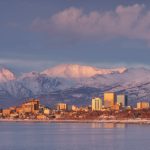
Size is part of Alaska’s identity, but it’s the variety of landscapes that truly sets it apart. Breathtaking coastal fjords cut into the Kenai Peninsula. Boreal forests and tundra sweep across the Interior. And in Southcentral Alaska, Anchorage sits where mountains, glaciers, and ocean converge.
Seasonal changes add to the wonder. In summer, long daylight hours mean time for hiking, fishing, and festivals under the midnight sun. Winter brings northern lights displays that ripple green ribbons across the sky, and deep snow that makes skiing and dog sledding part of daily life. If you’re tempted by a winter visit, don’t miss our blog Is it a Good Choice to Visit Alaska in Winter?
In a land this great, the above only scratches the surface. The only way to discover what makes Anchorage and Alaska special is to explore them yourself.
Why Anchorage Is the Perfect Base
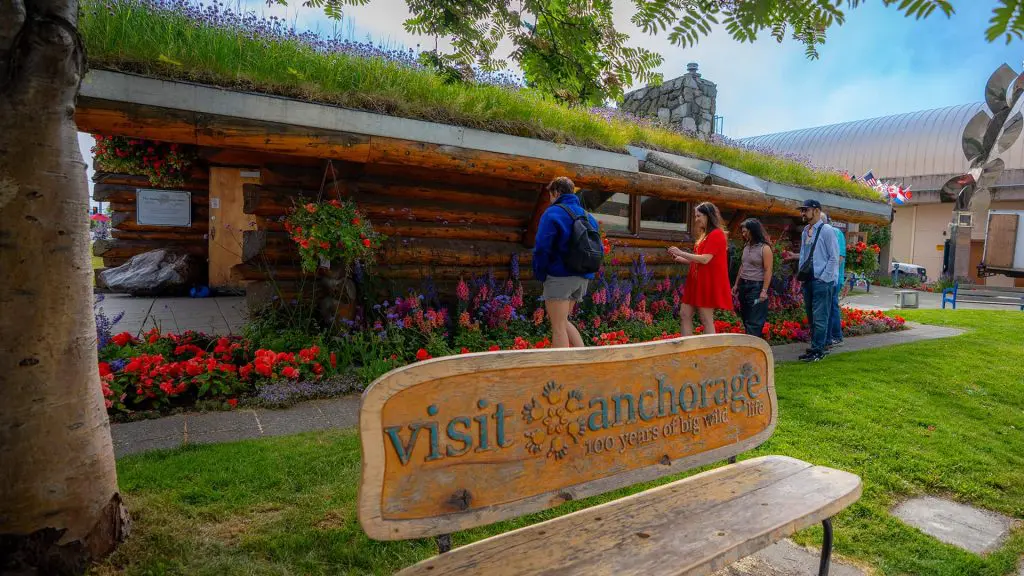
What makes Anchorage unique among Alaskan destinations is its balance of city and wilderness. Within a single day, you can sip locally roasted coffee in a downtown café, walk the shoreline trail with views of Denali, and drive into the mountains for unforgettable adventures. Few places let you blend comfort, culture, and outdoor activities so seamlessly.
While you’re in our city, let us show you around on one of our guided Anchorage tours. Enjoy local experiences, try delicious bites, and get to know Alaska’s biggest city on a deeper level. If you have any pre-booking questions for the Alaskan Sights & Bites team, please just get in touch.