Food in Alaska is more than just fuel. It’s a reflection of our state’s history, diverse culture, and unique way of life. From salmon pulled straight from cold, rushing waters to sourdough starters passed down through generations, Alaskan cuisine tells the story of the people who’ve always called this state home, and those who came seeking adventure and fortunes, and never left.
So, what exactly makes Alaskan food unique? As leaders for guided Anchorage food and culture tours, we’re perfectly placed to answer this question! So, let’s dig in. Scroll down to find out more, and discover the flavors that tell Alaska’s story.
Alaskan Cuisine and Culture: A Brief History
Alaska’s food culture has always been tied to survival and creativity. Long before statehood, Alaska Native peoples — including the Dena’ina, Inupiat, Yup’ik, Athabascan, and Tlingit — developed rich culinary traditions using the land’s natural abundance. The Alaska Native Heritage Center and the Anchorage Museum are two must-visit places to learn more about these native peoples.
Human presence in modern-day Alaska dates back to at least 10,000 BCE, a time during which a land mass (the Bering Land Bridge) connected Siberia to North America. Nomadic groups followed animal herds across this land mass and settled in different parts of the state. These groups lived by fishing, hunting, harvesting, and foraging the vast Alaskan terrain. They fished salmon and cod, hunted caribou, seals, and moose, and gathered wild berries, greens, and roots.
Foods were often preserved by smoking, drying, or fermenting, techniques still used across Alaska today. These methods ensured families could thrive through long winters, and they remain an important part of Indigenous foodways.
Descendants of some of the earliest groups of settlers are still present in Alaska, and though they consist of distinct and separate peoples, we collectively refer to these groups as Alaska Natives, and they make up nearly 20% of the state’s population, more than any other state.
With such a significant Alaskan Native population, and with many living in isolated rural areas, these communities still eat their traditional food dishes. Though you may not see Muktuk (raw whale skin and blubber) or Akutaq (the Alaskan Athabaskans version of ice cream made with whipped fat mixed with meat or fish and berries) on most restaurant menus in Alaska, the modern local Alaskan diet does share things in common with the food that has been feeding the people of Alaska for centuries, particularly the central role of regionally-sourced fish and seafood, an affinity for wild game meat, and foraging for wild berries.
When explorers, gold miners, and settlers arrived in the late 1800s, they brought their own ingredients and traditions, with sourdough being one of the most lasting. At this time, baking soda and yeast had become standard leavening agents for making bread in cities, where they could conveniently be purchased at the store and kept in the pantry.
However, in Alaska, where supplies weren’t so easily shipped and many residents were living in mining camps without the amenities of a full kitchen, sourdough became a staple of the Alaskan miner’s diet. Where other ingredients were heavy to carry around or simply weren’t available, keeping a sourdough starter required just a bit of flour, water, and somewhere warm to keep it. It’s said that many miners would sleep with their sourdough starter or keep it around their necks, just to ensure it maintained the proper temperature to ferment and be ready to use for their next batch of fresh bread.
Since that time, bread, baked goods, and pancakes made with sourdough hold a special place in the hearts of Alaskans. In fact, early miners were even nicknamed “sourdoughs”!
Over time, all these culinary influences blended, forming a distinct Alaskan cuisine.
Modern Alaskan Cuisine: Rooted in Place, Open to the World
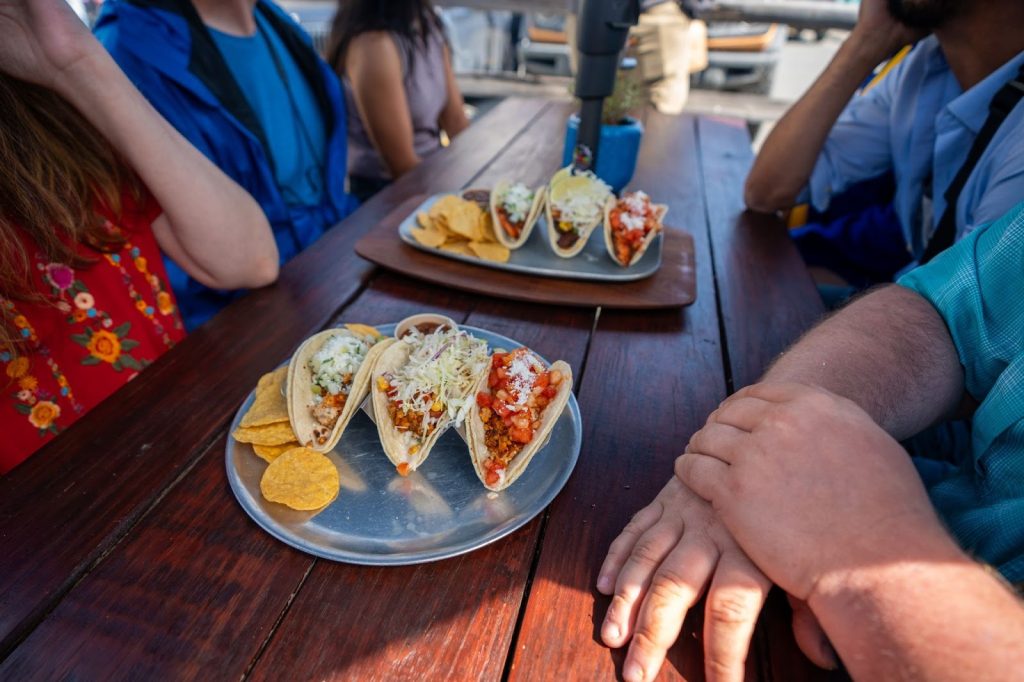
Today, Alaska’s food scene continues to evolve while staying firmly connected to the land and sea. Anchorage, in particular, has become a crossroads of old and new, where local chefs use wild, sustainable ingredients in inventive ways. You’ll find halibut tacos, reindeer sausage pizzas, and fresh seafood chowders on downtown menus alongside traditional smoked salmon and berry jams.
There’s a growing focus on farm-to-table dining, too. The fertile Matanuska Valley supplies local produce like potatoes, carrots, and cabbage. And because we see around 20 hours of sunlight a day during the summer, this area is known for growing some of the largest produce in the country!
As Alaska has gone through its ups and downs and adapted over the years, Alaskan cuisine has followed. Even in the last 10 to 15 years, our local food scene has become much more elevated as exposure to the internet and media piques interest in new foods and flavors, at the same time as older Alaskans in the food industry return from the lower 48 with a new culinary repertoire.
Despite these changes, there are staples of Alaskan cuisine that have endured the tests of time, and we don’t see them going anywhere anytime soon! Below, we have listed just a few of the dishes that you have to eat in Alaska. They are the Alaskan staples we consider a must-try if you travel to the place we call home.
What to Eat: Iconic Alaskan Dishes You Have to Try
Salmon: Alaska’s Wild Gold
When it comes to the question, “What food is Alaska known for?”, salmon and seafood have to be at the top of the list! With more coastline than any other state (over 46,000 miles!) Alaskan wild-caught seafood is some of the best in the world. The most iconic Alaskan fish is the salmon, and for good reason. With five different species available in Alaska, the state produces about 80% of the country’s wild-caught salmon. You’ll find salmon on the menu at most restaurants here, and you can enjoy this delicious, high-quality fish in a variety of ways, including smoked, baked, or broiled. One thing is for certain: Alaskan salmon won’t disappoint!
Reindeer Sausage: A Local Classic
Reindeer, a domesticated version of caribou, were introduced to Alaska in the late 19th century by the US government, with the intention of providing another source of sustenance for the Alaskan Natives, who they felt relied too heavily on the hunting of seals, whales, and walruses for food.
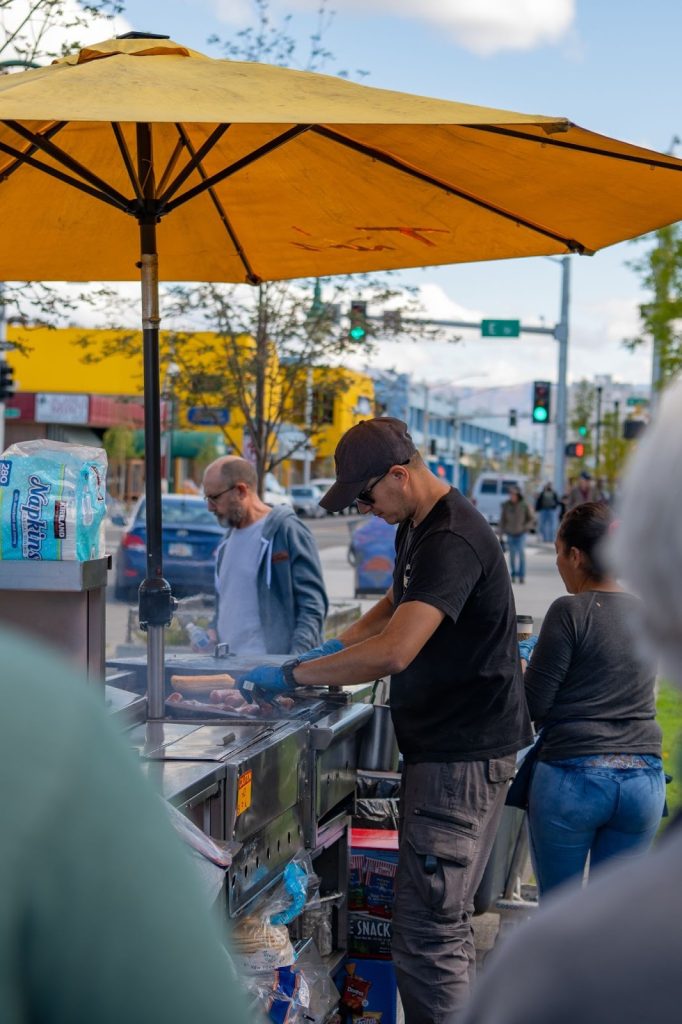
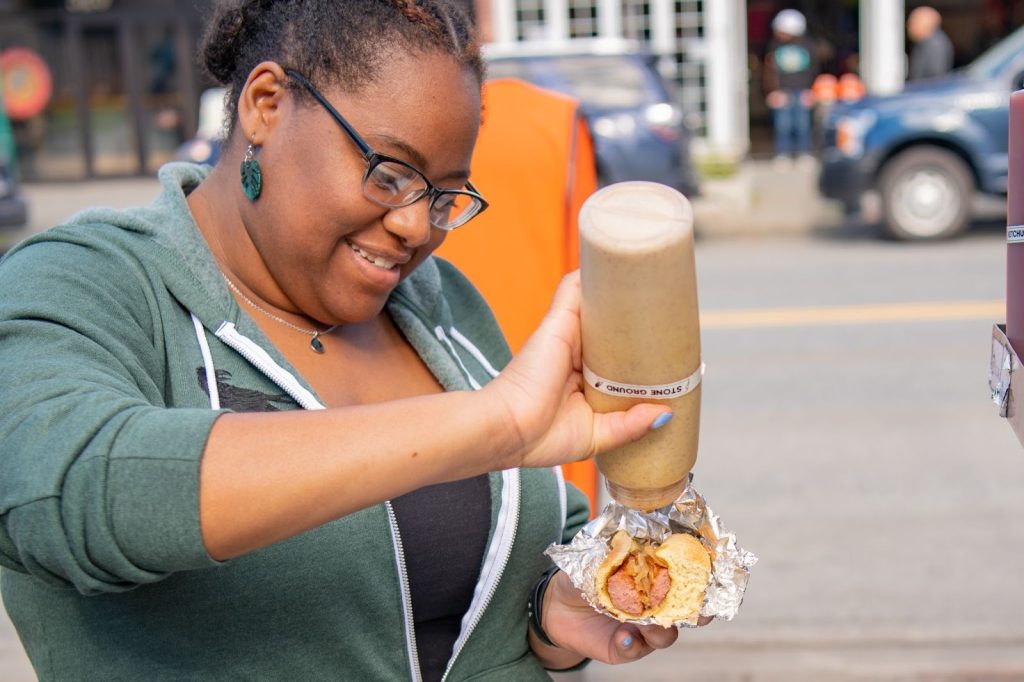
Today, there are about 18,000 reindeer in the state, and reindeer sausage is a uniquely Alaskan treat. Reindeer sausage is usually made with a mixture of reindeer meat, beef, and pork, and often served similar to a hot dog, from a stand or small shop. They can be topped with caramelized onions, mustard, ketchup, or a special sauce.
When you come to Alaska, you won’t want to miss this savory Alaskan delicacy!
Sourdough & Baked Goods: The Taste of Tradition
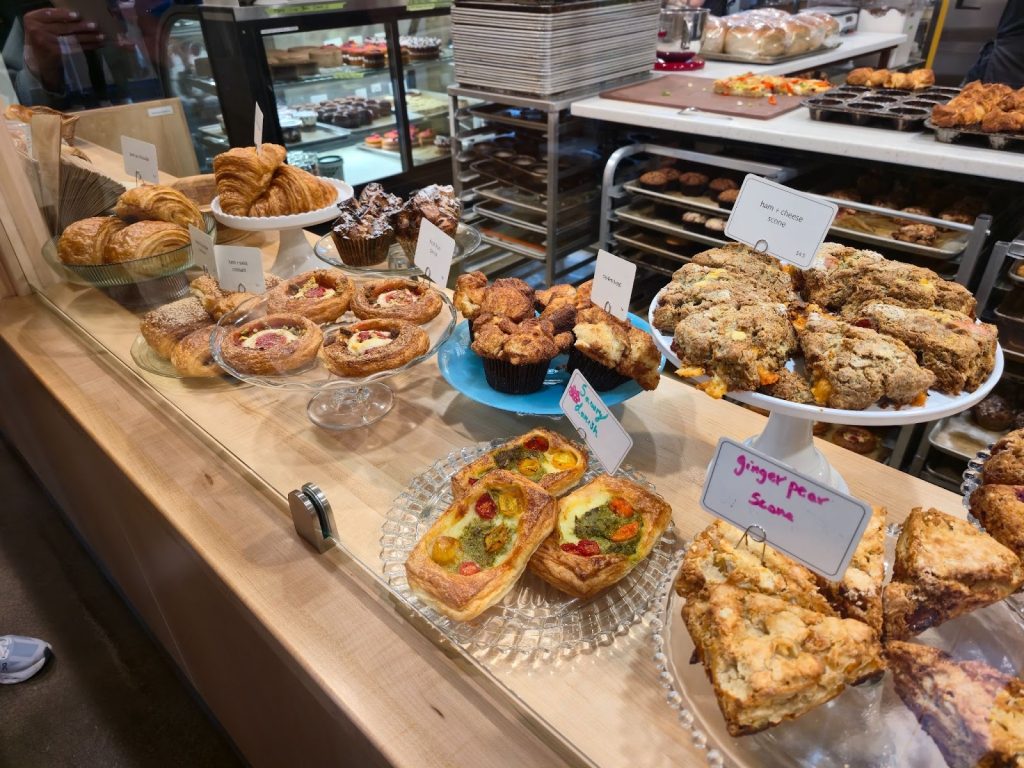
We mentioned the importance of sourdough in Alaska’s history, so it should come as no surprise that high-quality baked goods, both savory and sweet, are a popular treat for locals. In Alaska’s cities, and Anchorage in particular, you can find a variety of great bakeries to choose from.
Before you head out for some epic hiking in Alaska’s beautiful terrain or join our Half-Day Anchorage Wildlife Tour, grab a treat from one of the local bakeries to go with your coffee in the morning. You won’t regret it!
Looking for some local tips on where to go? Check out our Ultimate Anchorage Bakery Guide!
The Spirit Behind Alaskan Cuisine
What ties all of this together is a deep respect for nature and resourcefulness. Alaskan cuisine isn’t about fancy techniques; it’s about knowing where your food comes from and making the most of it.
For locals, eating is a way of connecting to the land and each other. A meal might include ingredients caught that morning, berries picked over the weekend, or bread baked from a starter that’s older than the baker. That spirit of self-reliance and generosity defines Alaskan cooking — it’s hearty, honest, and shaped by the wilderness that surrounds us.
Experience Alaskan Cuisine for Yourself
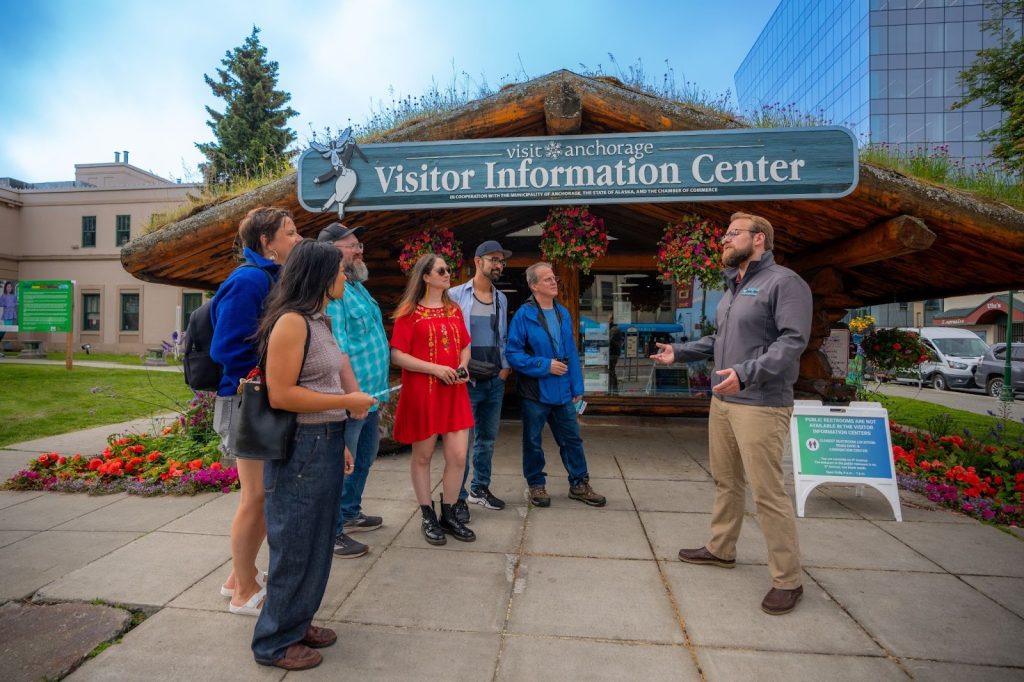
The best way to understand Alaskan food is to taste it. On our guided Anchorage tours, we share the stories behind these iconic dishes, including the best bites at family-run restaurants, market stalls, and locally loved bakeries. You’ll sample traditional flavors, meet the people keeping these culinary traditions alive, and discover how Anchorage’s food scene continues to evolve.
Ready to eat like a local? Join us on an Anchorage food tour and experience the flavors that make our city and our state one of a kind.
Do you have any questions for the Alaskan Sights & Bites team? Please feel free to get in touch for all the answers you need.