
For many visitors to Alaska, our state is all about mighty glaciers, majestic wildlife, and awe-inspiring landscapes. But if you spend any time on our trails or around forests in late summer, you’ll discover another part of The Great Land that locals adore: the wild berries that blanket our outdoor spaces. From tangy cranberries to sweet blueberries and rarer finds like nagoonberries, the variety here is something special.
As leaders in Anchorage guided tours with a culinary twist, Alaskan Sights & Bites is firmly rooted in our city’s food scene. We love helping people discover the place we call home through flavor as much as culture, history, and scenery.
In this Alaskan wild berries guide, we bring together useful information for anyone curious about the edible wild berries in Alaska, how locals use them, and what makes them such an important part of our culinary landscape. Scroll down to get started! And if any questions come to mind, please don’t hesitate to get in touch for the answers you need.
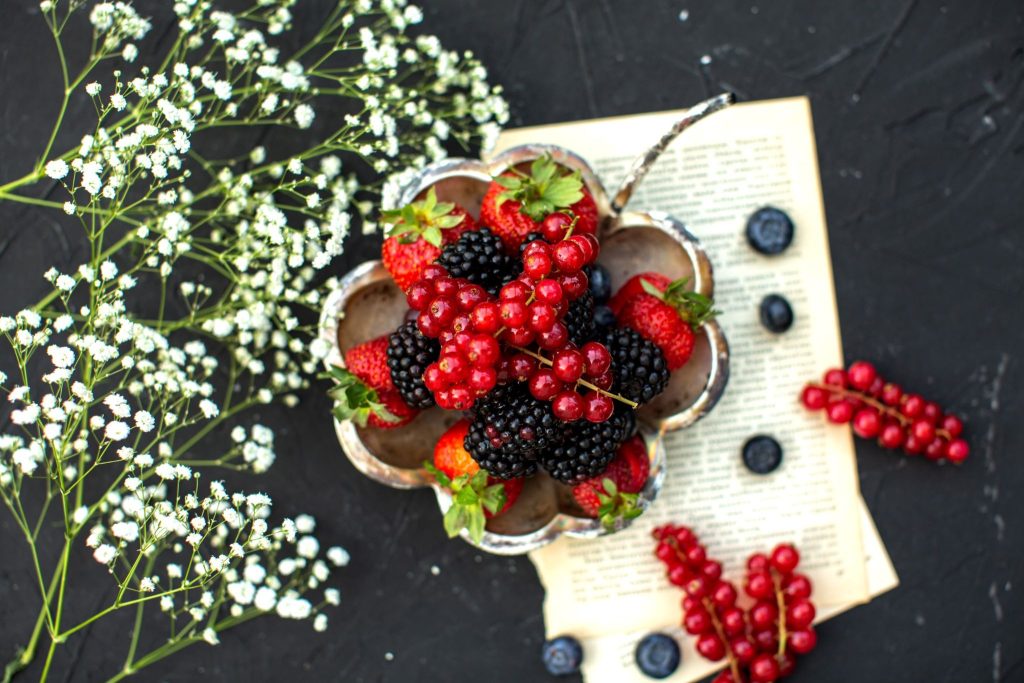
Why Alaska’s Wild Berries Stand Out
Alaska wild berries have a reputation for being some of the most flavorful and nutrient-dense you’ll find anywhere. The long summer daylight hours and cooler temperatures help plants develop fruits with sweetness, acidity, and deep color. It’s one of the reasons Alaska berries’ health benefits often come up in food conversations here; the antioxidant levels are impressively high, especially in blueberries, lingonberries, and high bush cranberries.
But berries aren’t just one of the foods you have to try in Alaska; they also have deep cultural roots here. For many Alaska Native communities, wild berries were, and continue to be, a key seasonal food. They were dried for winter storage, cooked into sauces, and used in desserts long before modern kitchens existed. Today, you’ll still find berries featured in homemade jams, syrups, pies, and even savory dishes served across the state.
Whether you’re a curious traveler or someone who wants to experience local food traditions more deeply, learning about the wild berries in Alaska gives you a new window into our region’s culture and seasons.
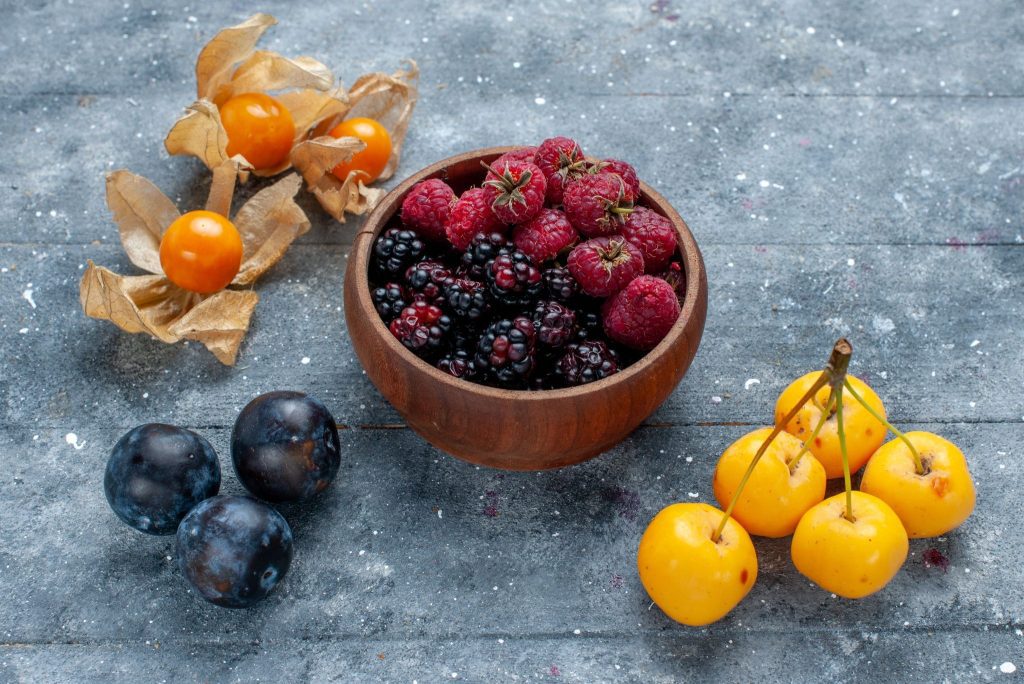
6 Essential Berries to Know in Alaska
Many visitors we meet are surprised by just how many species of edible wild berries grow around Anchorage. Here are some of the most common and beloved varieties that you might encounter, be it out in the wild or in the food you try…
Alaska Blueberries
These are the berries everyone talks about once Alaska berry season arrives. Alaska has several species of blueberries that grow in a variety of environments, including open woods, above the timberline, the tundra, and low-lying bogs. You can find them from mid-summer through early fall, depending on the location.
Their flavor ranges from sweet to tart, and they’re popular in pancakes, muffins, jams, and other unmissable Alaskan desserts. When you hear Alaskans talk about berry-picking weekends, they’re often chasing blueberries.
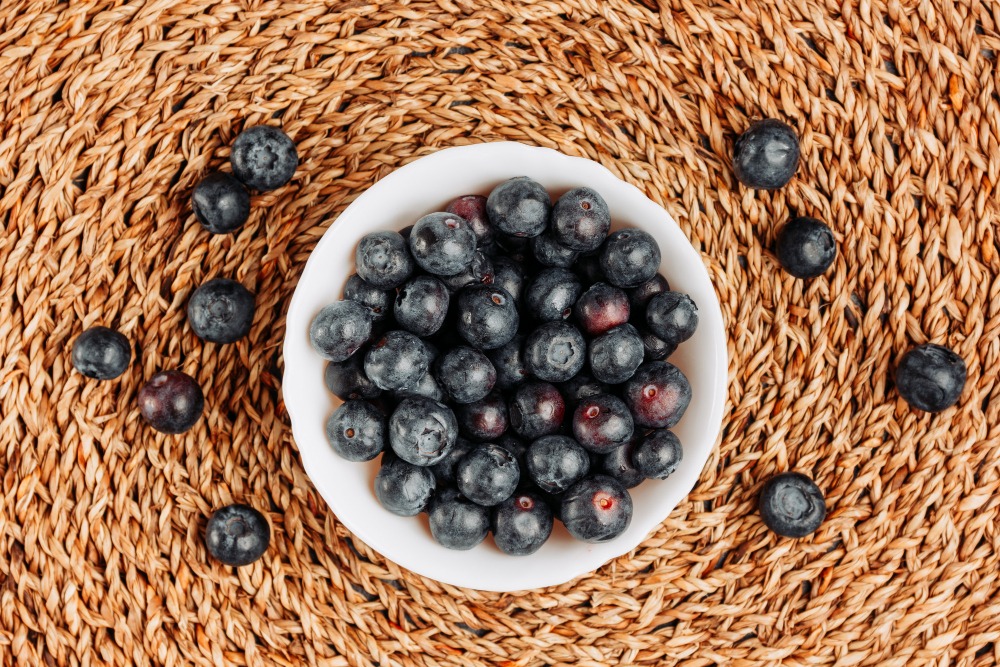
Salmonberries
Common along coastal areas and around southeast and southcentral Alaska, salmonberries thrive near streams, by shorelines, and on moist forest floors. You can also find them in disturbed areas like woodland edges and roadsides.
Salmonberries ripen earlier than many other berries and can range from yellow-orange to deep red. Their subtle sweetness makes them refreshing to eat straight from the bush, but they’re also excellent in jams and baked goods. If you’re visiting in early summer, these may be the first berries you encounter.
Lingonberries (Low-Bush Cranberries)
These small red berries grow close to the ground in rocky or peaty forest soils, alpine muskegs, and tundra. They usually ripen later in the season, and many locals wait for the first frost to pick them because the cold helps mellow their tartness. Their bright, crisp flavor pairs well with game meats and appears often in sauces and preserves.
If you’re hoping to encounter Alaskan wild berries while out on the trails, we think you’ll love our picks for some of the best places to hike in Alaska. Discover a selection of our favorite places to reconnect with nature.
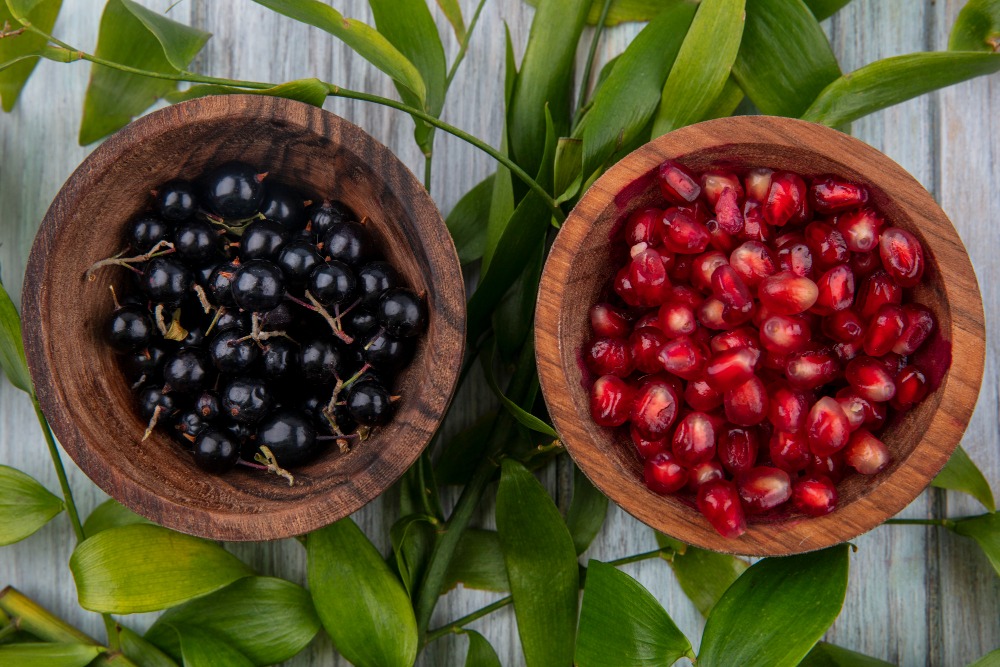
Crowberries
Crowberries grow in alpine muskegs and tundra. They are dark, firm, and less sweet than blueberries, which is why you’ll rarely see people eating them fresh in large quantities. But they work well when cooked or blended with sweeter berries for jams or syrups. Their widespread presence makes them a common sight for hikers exploring higher-elevation trails.
Nagoonberries
These berries are a treat for anyone lucky enough to find them. Nagoonberries are small, red, highly aromatic, and often compared to raspberries; they’re even sometimes referred to as Arctic raspberries!
They grow in open, dry, and moist habitats, including tundra, bogs, meadows, and stream and lake shores, making them less common around Anchorage than some other species. Their intensity of flavor is the reason many locals prize them for small-batch jams, liquers, and tea flavorings.
If all this delicious talk has got you thinking about planning your food stops in Anchorage, reading our blog Where Can I Get a Great Breakfast in Anchorage, AK? is the perfect place to start!
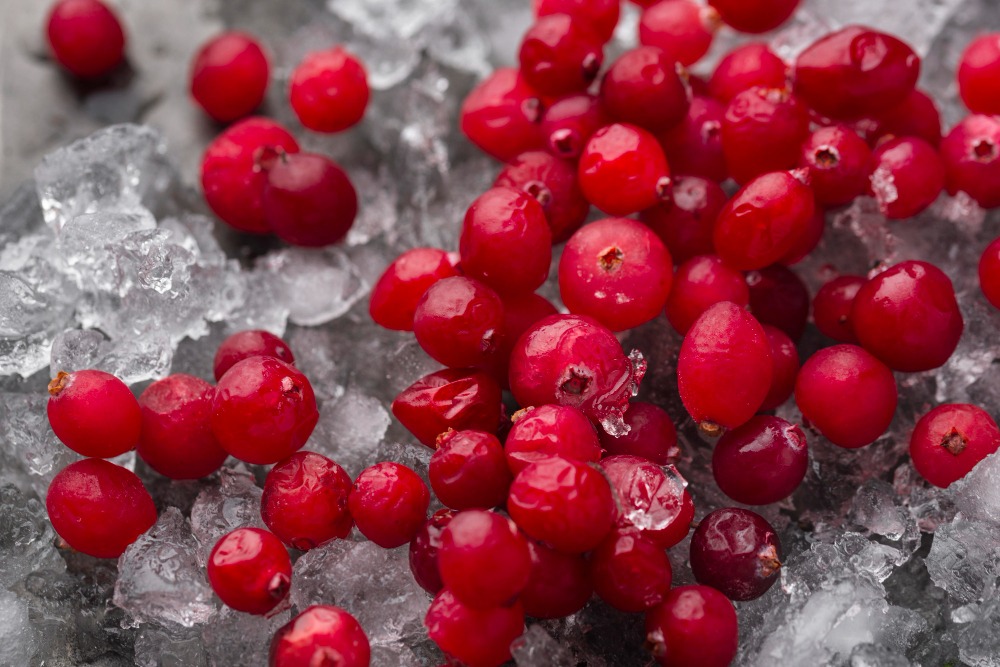
High-Bush Cranberries and Currants
These berries grow on taller shrubs in wooded areas and are easy to spot because of their clusters. High-bush cranberries have a strong aroma and a tart taste that works well in jellies or savory glazes. Currants, depending on the variety, can be used in everything from jelly to wine.
While not as famous as Alaska blueberries or lingonberries, they round out the diversity of what grows here. And this is only an introduction to Alaskan berries! Just some of the other varieties you can find here include:
- Cloudberries
- Elderberries
- Gooseberries
- Watermelon berries
- Strawberries
- Serviceberries
- Raspberries
- Huckleberries
And if your ears pricked up at the earlier mention of wine, be sure to check out our Chocolate and Wine Tasting Experience in Anchorage when you have finished here!
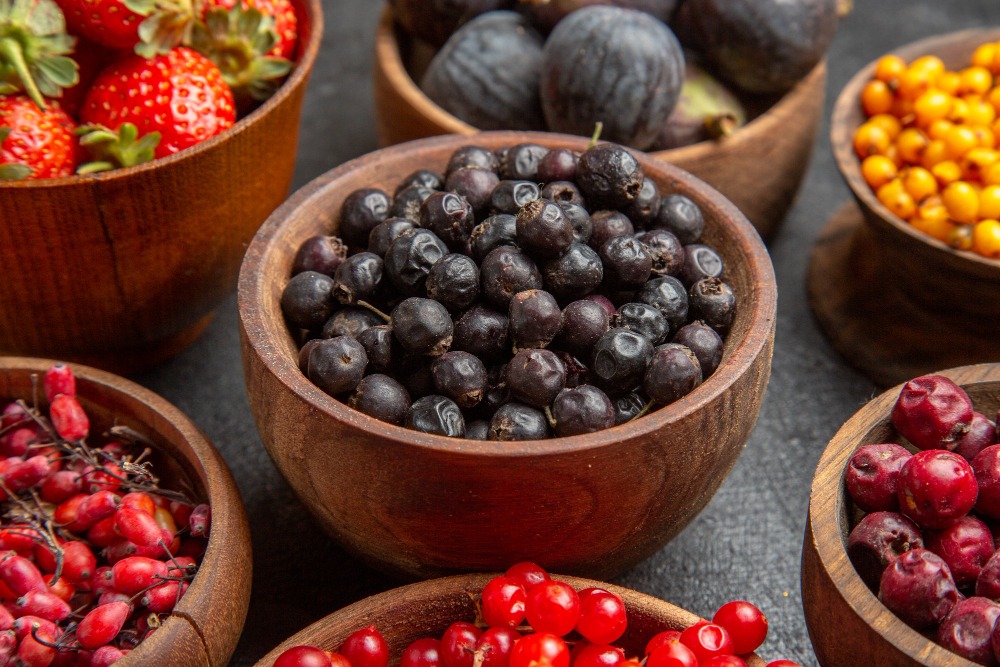
When and Where to Find Alaska’s Berries
So, when is Alaska berry season? The answer depends on the berry, the elevation, and the summer weather. But generally speaking, July through early September is the prime window. Early varieties, like salmonberries, can appear as early as June, while cranberries and lingonberries often extend into fall.
Around Anchorage, berries grow along hiking trails, forest edges, wetlands, and in the alpine zones above the tree line. Popular berry picking spots sit within an hour’s drive of our city, making for convenient day outings.
If you’ve never foraged before, it helps to know a few Alaskan berry-picking tips:
- Identify berries with absolute certainty (some species are poisonous)
- Avoid picking in areas near heavy traffic or polluted soil
- Always respect local regulations and private land boundaries.
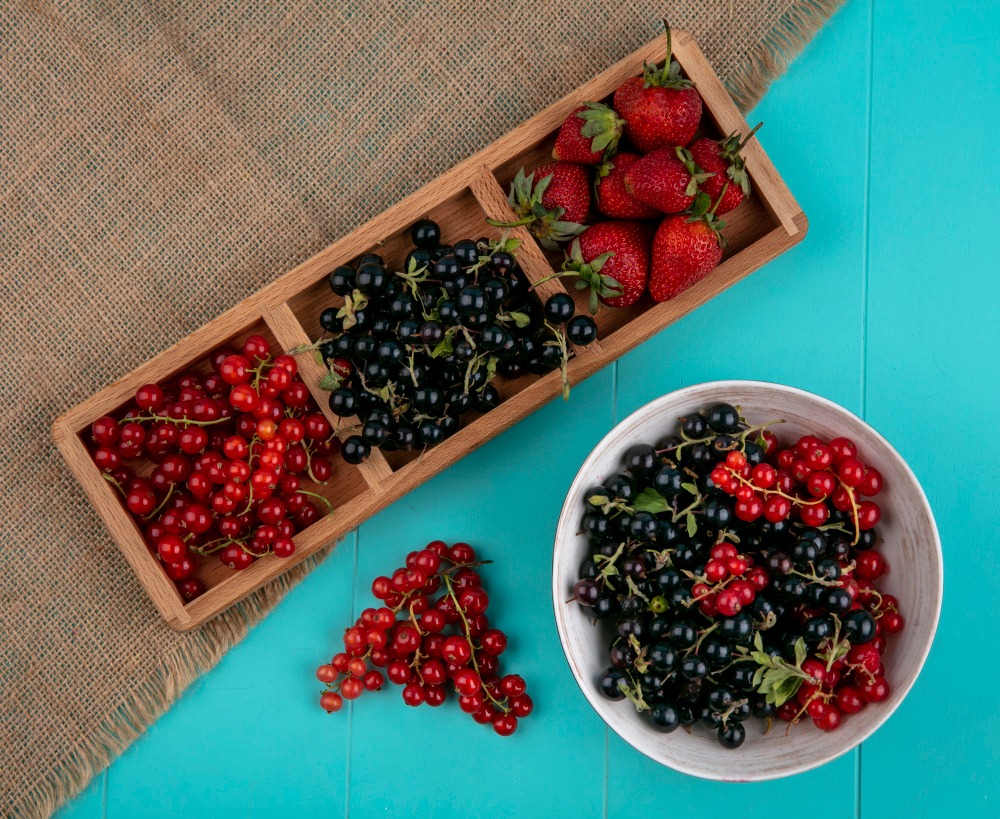
From Trail to Table: How Alaskans Use Their Berries
Once picked, wild berries can go in almost any direction. Many people enjoy them fresh while hiking, but they also shine in pies, crisps, cakes, and preserves. Berry syrups show up often at breakfast, topping pancakes or waffles, and you’ll find berry sauces paired with local meats in restaurants around Anchorage.
Freezing berries is the simplest way to preserve them. Many Alaskans fill their freezers each year so they can enjoy berries in smoothies, baked goods, or sauces long after the season ends. Others turn them into jams or jellies, often combining multiple berries for layered flavor.
If you join local food or tasting experiences, you may even sample berry truffles, berry-infused drinks, or seasonal desserts that highlight whatever is currently ripening.
Are you looking for ways to learn more about Alaska’s food heritage? Don’t miss our blog What is Alaskan Cuisine? It provides a broad historical background and overview of our state’s culinary culture.
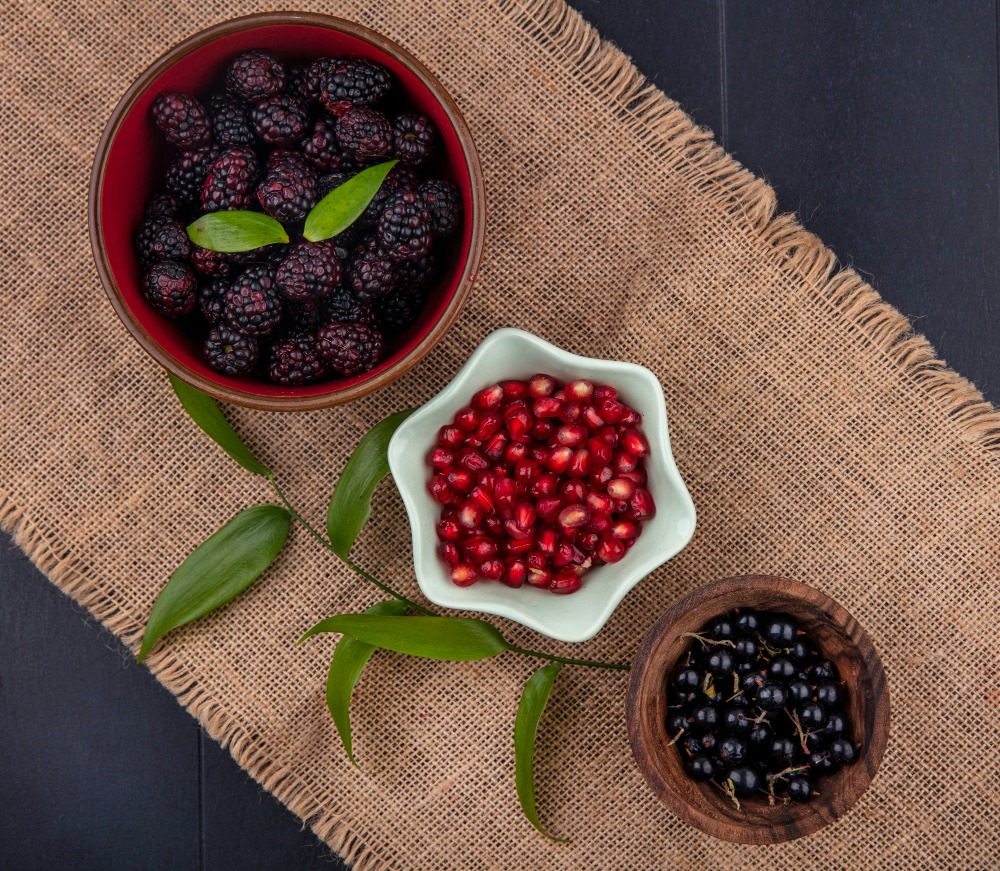
Staying Safe and Respectful While Foraging for Berries in Alaska
Responsible berry picking ensures the tradition can continue for generations. Make sure you identify each berry before eating it; if you’re not certain, leave it. Some berries, particularly white, opaque ones, are toxic. Baneberries are also poisonous, but they are typically red and look a lot like highbush cranberries. However, baneberries have a black dot on the end, and their seeds are crescent-shaped, while highbush cranberry seeds are flattened ovals.
It’s also important not to overharvest. Berries are a vital food source for wildlife, especially birds and bears. With the latter in mind, it’s important to stay aware of your surroundings when berry picking in areas where hungry bears might be looking for food.
Finally, follow the posted rules on public lands. Some protected areas restrict foraging, while others allow small amounts for personal use. When in doubt, check local guidelines before heading out.
Book Your Guided Anchorage Tours with Us!
Exploring the wild berries of Alaska adds flavor to any trip, especially for visitors who love food and nature. These berries aren’t just snacks on the trail; they’re part of our state’s heritage, seasonal rhythm, and culinary identity.
If you’re interested in experiencing Anchorage through food, storytelling, and local knowledge, browse our range of fun and fascinating Anchorage guided tours. If you’re in town during berry-picking season, your guide will happily share their favorite berry-related recommendations, too!
Do you have any pre-booking questions for the Alaskan Sights & Bites team? Please just contact us! We’re here to help however we can.